Why We Recommend Starting Small

Some clients come to us with big visions — building large-scale platforms, complete ecosystems, or feature-packed apps. And while ambition is a great start, we often encourage a smarter approach: start small.

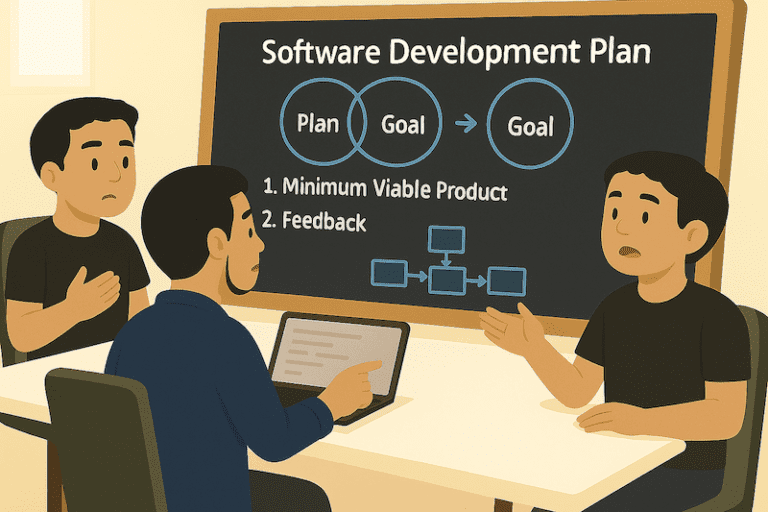
Advising clients to begin with a lean, focused Minimum Viable Product (MVP) isn’t just a budget-saving strategy — it’s a proven method for building successful products. Here’s why:

1. Validate Before You Invest

Starting small allows you to test your idea with real users before committing to a full-scale build.
We’ve consulted many clients who dream of launching a massive social network — for friendships, dating, or niche communities. They often imagine millions of users from day one. But in reality, business traction is a bigger challenge than tech scalability.

  • It’s smarter to validate market demand first — then scale.
  • This approach avoids pouring resources into unproven assumptions.
how can we help you?

Contact us at the Consulting WP office nearest to you or submit a business inquiry online.

2. Reduce Risk

Big projects come with high complexity, more stakeholders, longer timelines — and more room for things to go wrong.
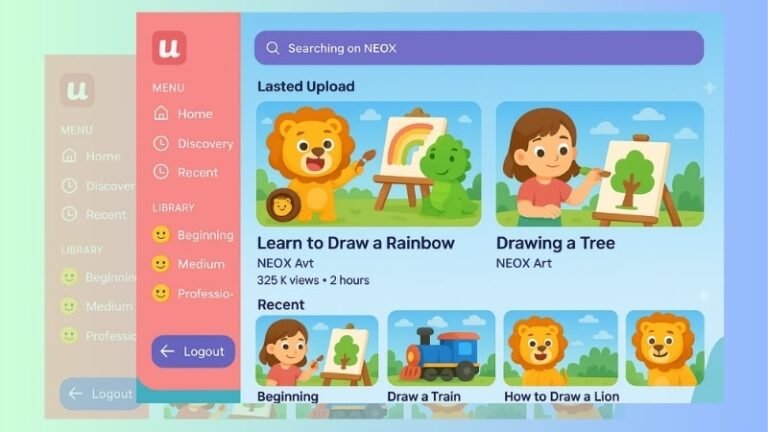
When building the Educational Video Course App, we agreed to use the simplest tech stack to launch the MVP within 2 months. If the initial version proved valuable, the client could scale later.

🎯 Start simple. Prove it works. Then grow with confidence.
➡️ Smaller scope = easier to manage, less technical debt, and more flexibility.

3. Faster Time to Market

Launching a small version helps you go live in weeks, not months.
In our F&B mobile and POS solutions, we followed the 80/20 rule — building the core 20% of features that deliver 80% of the value. It helped gather feedback early and guided the next iterations.

🚀 Getting into users’ hands fast builds momentum and validates direction.
➡️ Early feedback can shape smarter roadmaps.

4. Focus on Core Value

When starting small, you’re forced to clarify: What truly matters to users?
In the F&B software projects, we prioritized features based on direct user needs and early feedback — not assumptions.

🎯 The goal is usefulness, not feature count.
➡️ Eliminate distractions and focus on what delivers value.

5. Learn from Real Users

Early releases allow teams to learn how users actually behave — not how we assume they will.
Thanks to Agile development, we released updates every 2 weeks for both our F&B software and a digital transformation project for an internal company process. The feedback loop was fast, and priorities became clearer over time.

🧪 Real usage beats theoretical planning.
➡️ Continuous learning leads to better product decisions.

6. Control Budget

Most clients don’t have unlimited resources. Starting small lets them launch within budget, show results, and justify further investment.
It also creates clear cost structure and scope control, which increases trust and reduces tension.

💡 It’s easier to manage costs and expectations when both are small.
➡️ Scale sustainably, not blindly.


Starting small doesn’t mean thinking small — it means building smart.
At Nextafly, we believe in helping our clients grow with confidence by starting lean, learning fast, and scaling wisely.

Looking for a First-Class Business Plan Consultant?

Story: From Momentum to Mastery: Navigating Roadblocks in a Growing Client Relationship

As promised, I’d like to share some of the roadblocks we encountered in our journey with the client — despite this being one of our most enjoyable and collaborative projects.

We were fortunate in several ways:

✅ The client had a strong software background, which meant we spoke the same technical language.
✅ English was our common working language — helping to minimize miscommunication.
✅ The business goal was crystal clear: use the educational app to boost tablet sales and introduce a new revenue stream via premium licenses.
✅ And most importantly, the client could make decisions quickly and responded promptly, which accelerated development.


These factors helped us close the deal quickly and get off to a fast start. However, even in the most favorable conditions, roadblocks can emerge. Here are a few that came up — and how we handled them using standard project management practices:

how can we help you?

Contact us at the Consulting WP office nearest to you or submit a business inquiry online.

Roadblocks & Solutions

1. Ambiguity in Requirements

“At the start, the specifications were high-level and fragmented. It was hard to design a scalable solution without a clear product roadmap.”

PMP-aligned Solution:

  • Conduct a Progressive Elaboration Process: We treated the scope as evolving and refined it through discovery sessions and early sprint feedback.
  • Use Requirement Workshops & Backlog Grooming: These helped surface long-term goals and prioritize must-have vs. nice-to-have features.
  • Maintain a Living Product Backlog and make sure to regularly review and re-prioritize it with the client’s involvement.

2. Budget Sensitivity

“The client was concerned about escalating costs, especially when scope or features evolved.”

PMP-aligned Solution:

  • Apply Earned Value Management (EVM): We tracked scope, time, and cost to help the client understand the ROI and budget health at each sprint.
  • Use Time & Material with Cap: This hybrid approach gave flexibility without losing control over costs.
  • Provide Transparent Cost Breakdown: We shared estimates by feature, including trade-offs and effort implications.

3. Hidden Scope

“What was part of the MVP vs. future releases wasn’t always clearly agreed upon.”

PMP-aligned Solution:

  • Establish a Clearly Defined Scope Statement for MVP and get formal sign-off (or at least mutual agreement via email or task tracking tools).
  • Use Change Request Logs: Every new feature or request was logged, reviewed, and either deferred or approved to control scope creep.
  • Conduct Sprint Review Meetings with a focus on scope alignment.

4. Unexpected Technical Constraints

“Low-end devices introduced performance challenges, especially with video streaming.”

PMP-aligned Solution:

  • Run a Feasibility Analysis during project initiation — especially for hardware-integrated apps.
  • Perform Risk Management Planning early, including testing on target devices from day one.
  • Mitigate via Technical Prototyping (we optimized video compression and used adaptive streaming).

5. Trust Gap Re-Emerges

“Even after initial trust was built, bugs or timeline slips created friction, especially with new stakeholders joining.”

PMP-aligned Solution:

  • Practice Stakeholder Engagement Management: Identify new stakeholders early and realign expectations.
  • Establish Transparent Communication Channels: Daily updates via Slack, weekly summaries, shared Kanban boards.
  • Maintain a Risk Register to flag and proactively handle issues before they grow into trust-damaging events.

🧠 Final Thought

Even the most aligned projects can hit bumps. What matters is how quickly you recognize the friction points, communicate openly, and apply disciplined practices to overcome them. This project taught us that trust isn’t a one-time win — it’s something you re-earn in every sprint.

Looking for a First-Class Business Plan Consultant?

Story: From MVP to Momentum: How Trust Turned a 2-Month Launch into a Long-Term Partnership

After delivering the MVP in just 8 weeks, what did we do next?

This is the 2nd part of the previous post. Read the part 1: How We Launched an Educational App MVP in Just 2 Months — Starting from a Cold Email”.

The MVP wasn’t perfect — like any fast-moving project, there were a few features we hadn’t clearly defined upfront. But thanks to our aligned expectations and a reserved buffer for quick adjustments, we made those refinements smoothly. The client expressed genuine appreciation for our approach.

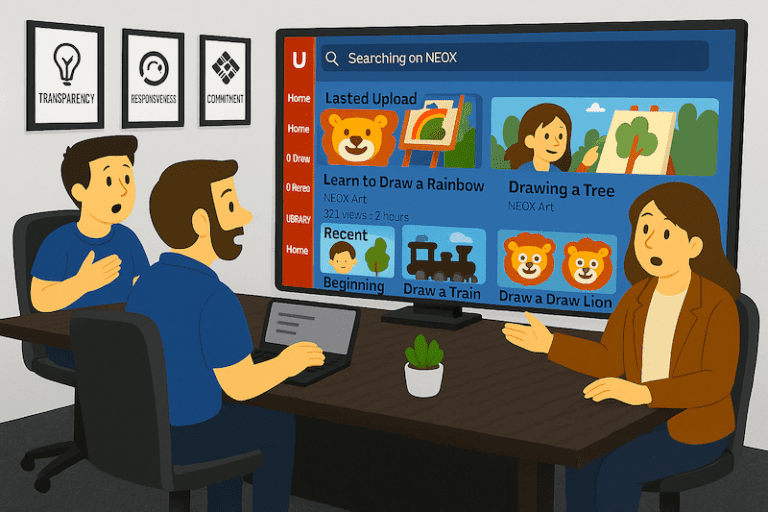
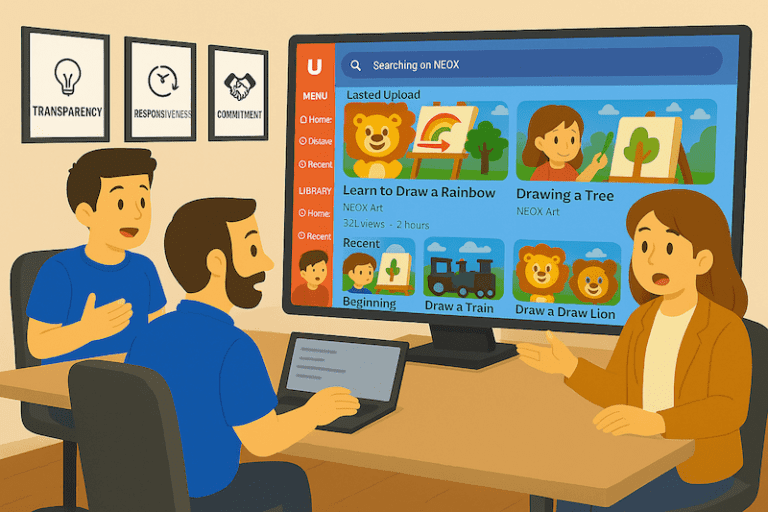
In a quick chat, I asked him, “What made you feel confident in working with us?” He answered with just three words: Transparent. Responsive. Committed.

how can we help you?

Contact us at the Consulting WP office nearest to you or submit a business inquiry online.

These weren’t just compliments — they reflected the values we intentionally built into Nextafly from day one:

  1. Transparency – We treat every project as a partnership. The client is part of our team, with shared goals and open progress tracking. No silos, no hidden agendas.

  2. Responsiveness – Especially in remote collaboration, timely and clear communication is key. Our clients never feel left waiting or in the dark.

  3. Commitment – When we promise something, we deliver. That consistency builds trust — and trust is the real foundation for scaling.

With mutual trust established, the momentum accelerated.

Instead of stopping at the MVP, the client shared longer-term goals. We mapped out a roadmap of new features and kept iterating using agile sprints. Each release made the product more powerful — with added functionality like:

  • Advanced user profiles

  • Structured course listings

  • Learning progress tracking

  • Course performance analytics

  • Licensing and user feedback features

By launch, the app had matured into a robust educational platform. Early data showed thousands of views per video, and — even better — the app became a key factor in boosting sales of the client’s tablet product line.

We’re now working together on the next phase of the product’s vision.

Of course, it wasn’t all smooth sailing. There were some roadblocks and tough conversations along the way — especially in the early trust-building phase.

But those are stories for next time. 😉 👉 Stay tuned for Part 3 launched soon.

Brief

After launching an MVP in just 8 weeks for a Hong Kong-based tablet company, the real success came from what followed — a long-term partnership built on trust, transparency, and commitment. In this follow-up story, we share how clear communication, agile development, and shared goals helped transform a quick project into a growing product ecosystem. Discover practical lessons for building momentum after MVP and scaling with purpose.

Read the part 1: How We Launched an Educational App MVP in Just 2 Months — Starting from a Cold Email”.


Looking for a First-Class Business Plan Consultant?

Story: How We Launched an Educational App MVP in Just 2 Months — Starting from a Cold Email

In the spring of 2023, we received an unexpected email from Hong Kong.

It was from a co-founder of a tablet manufacturing company — someone who had found us online. He was exploring ways to pre-install an educational video app onto his tablets for kids aged 4–10. It was clear he was technically sharp, with solid knowledge of mobile development and cloud services. But as we soon found out, tech skills don’t always equal clarity on the product side.
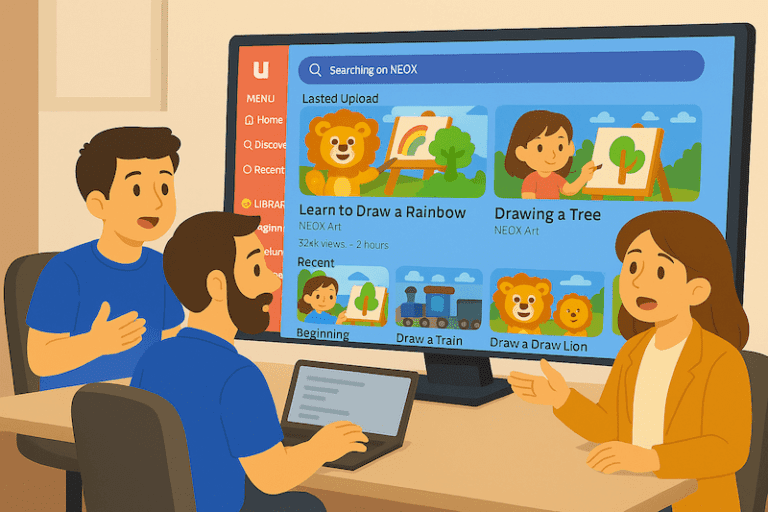
We quickly set up an Explore meeting — something we always recommend before jumping into requirements. That conversation turned out to be a game changer.

how can we help you?

Contact us at the Consulting WP office nearest to you or submit a business inquiry online.

The Power of the Explore Meeting

During that call, we uncovered critical needs that hadn’t been mentioned in the initial spec. Things like:

  • How to track a child’s learning journey safely
  • How to handle low-spec device performance
  • How to load long video smoothly.
  • How to align video recommendation with engagement (not just views)

Although the client knew his tech stack (Flutter + Google Cloud), he needed help matching tech decisions to business goals for the long product roadmap and short-term. This is where we added value — not by proposing more tech, but by helping him avoid overbuilding.

We learned this early: clients don’t always know what they really need until they talk it out.

MVP: Where Trust Gets Built

That meeting earned us maybe 50% of his trust.

The other 50%? We had to earn it with a clear, affordable, and fast MVP plan.

We scoped a lean MVP that:

  • Could be shipped in 2 months
  • Used Agile sprints (2 weeks)
  • Delivered value early and often
  • Allowed quick changes mid-sprint if needed

We didn’t just “build what he asked for” — we helped him prioritize what matters and avoid what doesn’t.

From Vision to Launch

With the plan aligned, our team got to work. Each sprint had demos, feedback loops, and flexible scope. Within 2 months, the first version of the educational video app was ready — simple, reliable, and surprisingly engaging for the target audience.

The client was thrilled. And more importantly, now fully trusted us for the next phases.

Key Lessons for Small Budgets and MVPs

  • Talk first, code later. Explore meetings help uncover what specs don’t show.
  • Don’t overbuild. Choose tech and scope that match real business goals.
  • Trust is not built in one meeting. Clear MVPs + visible progress = long-term relationships.

🎯 Final Thoughts

If you’re a startup, hardware company, or early-stage founder with a small budget — don’t wait until everything is defined. Talk to the right partner early. You’ll save time, money, and avoid painful rework later.

Looking for a First-Class Business Plan Consultant?

Project: Responsive Front-End Built for a Financial Web App

  • Client: A Japan-based company
  • Platform: Web
  • Technology: HTML, CSS, SCSS, JavaScript

Project Overview

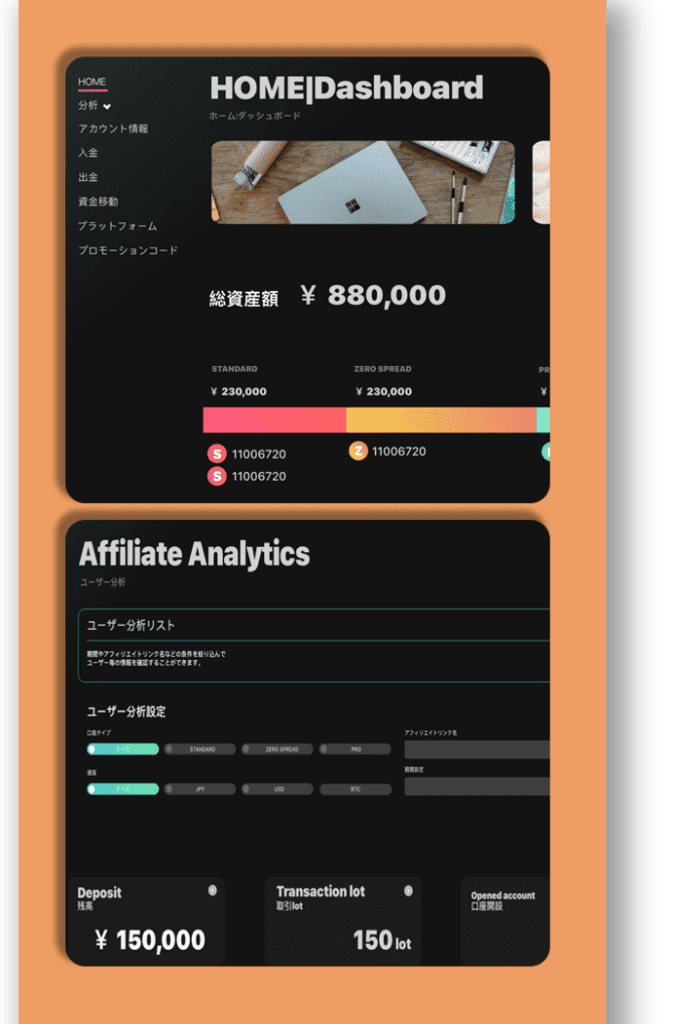
We joined a financial software project to build the front-end interface from scratch. While the back-end was managed by the client, our role was to ensure seamless and responsive UI implementation aligned with the business logic.

Target Audience

Internal and external users of the financial application (not specified by client).

Key Features

  • Responsive and accessible layout
  • Fully developed UI flow based on client specifications
  • Front-end integration-ready for back-end API

Challenges & Solutions

  • Challenge: Building a clean and complete user flow from limited input.
  • Solution: Close collaboration with the client’s back-end team to ensure UI consistency and logic alignment.

Results & Impact

We successfully delivered the complete front-end layout, meeting design expectations and timelines. The UI is now integrated with the client’s back-end system for production use.

Our Role

Provided experienced front-end developers to implement the web interface.

Looking for a First-Class Business Plan Consultant?

Project: Educational Video Course App for Children’s Tablets

Client: Hong Kong-based Tablet Manufacturer
Platform: Android Tablet App
Technology: Flutter (Front-end) | Google Cloud + PostgreSQL (Back-end)

🎯 Project Overview

A Hong Kong-based hardware company approached us to develop a video course application pre-installed on their proprietary Android tablet devices. Their product targets the children’s painting and creativity market, and the goal was to increase the tablet’s value proposition by bundling it with exclusive, engaging educational content.

Target Audience

Children aged 4–10 years old, along with their parents, who seek safe, screen-based learning tools that foster creativity.

Key Features

  • User profile & Authentication – Quick creating user but safe.
  • Child-Friendly UI – Simple navigation, large buttons, colorful visuals
  • Video Playlist and Recommendation – Well navigation & suggest based on watching history
  • Learning Progress Tracking – Saved watched videos.
  • Multilingual Support – English & China


🧩 Challenges & Solutions

Challenge: Ensure smooth streaming videos and performance on lower-spec, cost-efficient hardware.
Solution: Leveraged Flutter’s lightweight rendering engine and optimized video formats for adaptive streaming and low memory use.

Results & Impact

  • The MVP was released in 3 months.
  • High satisfaction from early user testing groups and we continue to enhance the product in the following phases.
  • Strengthened the client’s ecosystem by integrating hardware and content

Our Role

We provided end-to-end product development, including:

  • UI/UX design
  • Full-stack development
  • Integration with Google Cloud infrastructure
  • Post-launch support , maintenance and optimization

Looking for a First-Class Business Plan Consultant?

Corporate Websites with WordPress

Client: Various clients from the U.S., EU, and Vietnam

Platform: WordPress

Technology: PHP, JavaScript, CSS, Laravel, WordPress (custom themes/plugins), integrations with payment gateways and third-party services

Project Overview

We’ve developed corporate websites across diverse industries—including hospitality, healthcare, education, and real estate. Leveraging WordPress, our in-house performance optimization techniques, and theme/plugin expertise, we deliver projects ranging from 1 week to 2 months, tailored to each client’s complexity, brand, and function. Our adaptive approach ensures each site meets specific business goals with creativity and speed.

Target Audience

Corporate businesses and organizations needing a web presence, ranging from small firms to medium enterprises in various sectors.

Key Features

  • Custom-designed WordPress themes
  • Responsive UI/UX for desktop and mobile
  • Integration with payment gateways and third-party APIs
  • SEO-ready structure and performance optimization
  • Fast turnaround times with scalable delivery approach

🧩 Challenges & Solutions

  • Challenge: Wide variety of industry requirements and unique branding needs
    Solution: Developed a modular approach combining pre-built assets with custom components, enabling faster delivery without sacrificing uniqueness.
  • Challenge: Balancing speed with quality and performance
    Solution: Created reusable, optimized codebases and workflows for quicker build times while maintaining quality benchmarks.

Why choose us

Results & Impact

  • Dozens of corporate websites successfully launched
  • Improved user engagement and business credibility for clients
  • Reduced go-to-market time through optimized development practices
  • Long-term client relationships built on reliability and innovation

Our Role

  • Strategy and planning for website structure and goals
  • Full-stack WordPress development with custom integrations
  • UI/UX design and responsive implementation
  • Ongoing technical support and maintenance

Looking for a First-Class Business Plan Consultant?

Team: Offshore Development Team for US-Based Social Commerce Platform

  • Client: A U.S. company operating a social commerce platform
  • Platform: Web & Mobile Applications
  • Technology: PHP/Laravel, ReactJS (Web & Mobile)

Project Overview

The client runs a social commerce application serving the U.S. market and wanted to scale development without overextending internal resources. We partnered to set up a remote, dedicated development team, starting with two developers and a roadmap for gradual team growth.

Target Audience

End-users of a U.S.-based social commerce platform (consumers & merchants)

Key Features

  • Backend built with PHP/Laravel
  • Frontend and mobile apps developed using ReactJS
  • Scalable infrastructure to support growing user base
  • Seamless collaboration model between onshore and offshore teams

🧩 Challenges & Solutions

Challenge: Building trust and ensuring seamless offshore collaboration
Solution: Started with a small, agile team; adopted transparent communication, regular sprint reviews, and performance-based scaling.

Challenge: Maintaining code consistency across time zones
Solution: Implemented clear coding guidelines, centralized documentation, and daily standups.

We did

Results & Impact

  • Successfully established a remote team with smooth onboarding
  • Improved development velocity and quality
  • Freed up client’s core team to focus on business and strategy
  • Long-term partnership for continuous growth and innovation

Our Role

  • Recruited and managed offshore developers
  • Ensured alignment with client’s engineering practices
  • Provided delivery oversight and technical consultation
  • Acted as long-term tech partner

Looking for a First-Class Business Plan Consultant?

Project: Digital Infrastructure for a F&B Startup

Client: A young, Vietnam-based food & beverage startup
Platform:

  • Cross-platform mobile app (iOS & Android)
  • Tablet application
  • Web application (eCommerce & CMS)
  • Store operation software

Technology

  • Frontend: React Native, HTML/CSS/JavaScript
  • Backend: PHP, WordPress, WooCommerce, MySQL
  • DevOps: Multi-server architecture with scalable deployment

Project Overview

The client aimed to build a comprehensive digital ecosystem to support its F&B business operations and customer engagement. With a strong emphasis on scalability and data-driven growth, they entrusted us to become their long-term technology partner—responsible for developing all digital touchpoints, backend systems, and infrastructure strategy from the ground up.

Target Audience

  • External: Customers accessing the brand through mobile, tablet, or web platforms
  • Internal: Store employees and management using in-house software for daily operations

Key Features

  • Mobile app for ordering, loyalty, and promotions
  • Website with eCommerce (WooCommerce integration)
  • Tablet-based app for in-store interactions
  • Store operation & management dashboard
  • Scalable cloud infrastructure for future expansion
  • CMS for managing content and updates

Challenges & Solutions

  • Fast vs. Scalable Development: Solved with modular design, proven tech (WordPress, React Native), and scalable DevOps setup.

  • Limited Tech Background: Addressed through clear, ongoing consultation aligned with business goals.

Results & Impact

  • Successful launch of all customer-facing platforms
  • Increased customer engagement through mobile app and online ordering
  • Streamlined store operations with custom management tools
  • A scalable infrastructure ready to support the client’s expansion plans

Our Role

  • Strategic tech consulting & digital roadmap planning
  • Full-cycle development: design, frontend, backend, deployment
  • DevOps setup for infrastructure scalability
  • Ongoing support and iteration for continuous improvement

Looking for a First-Class Business Plan Consultant?